Patient Guide
Can a failed hair transplant be fixed?
Quick answer: Often yes, but not always, and not completely. A good repair surgeon can lower or soften a hairline that sits wrong, add density behind it, remove badly placed grafts and improve the look of a thinned donor area. What no surgeon can do is give you back the donor hair the first procedure used, which is why a repair starts from a harder position and usually costs more than a first procedure. Wait until twelve months before judging, then see a surgeon who does repair work and ask what's realistic for your donor area, not for the photos on their website.
On this page
If you're reading this because a procedure has gone wrong for you, I'm sorry. I've been where you are, I know how long you've probably spent in front of the bathroom mirror under different lights, and I know the particular flatness of having done the brave thing and had it not work. This page is the one I wish I'd had at the time, so I've tried to make it practical rather than reassuring.
First, has it actually failed?
Before anything else, make sure you're judging it at the right time, because a lot of people decide at month four that it hasn't worked, and month four tells you almost nothing.
Roughly, the transplanted hairs shed at two to four weeks, which is completely normal and terrifying if nobody warned you. Then not much happens until around month three to five, when fine, uneven new hair starts to come through. It thickens and darkens between months six and nine, and most of the result is in by twelve months. The crown is slower, and can take up to eighteen. There's a month by month version in the recovery timeline.
Past twelve months, these are the signs that something has genuinely gone wrong rather than just being slow:
- Density that's still visibly patchy, or that's thin in some areas and fine in others, rather than evenly building.
- A hairline that sits wrong for your face, usually too low or too straight, or that looks pluggy, with grafts in obvious clumps or rows.
- Hair growing at the wrong angle or in the wrong direction, so it won't lie the way the hair around it does.
- A donor area at the back that looks thinned out or moth-eaten, or has visible scarring, because too much was taken or it was taken from too small an area.
- Very low growth across the whole transplanted area, where the grafts simply didn't survive.
Those are the same problems the International Society of Hair Restoration Surgery lists as the ones its members see most in patients coming for repair: scarring, unnatural hairlines, poor growth, wrong hair direction, depleted donor areas and infections. If you recognise one or two of them, you're not imagining it, and you're not alone.
Why transplants fail
It's rarely bad luck, and it's rarely the country. In most cases it comes down to one of a few things: a plan that was never properly made, so the hairline was designed for the photos rather than for your face and your age; too much hair taken from the donor area, or taken from the wrong part of it; grafts handled poorly or left out of the body too long, so they didn't survive; the channels opened at the wrong angle or depth; or simply too many patients in one day for the care to be done properly.
Knowing which of these happened to you matters, because it changes what a repair can do. Poor growth with a healthy donor area is a very different starting point from a good hairline on top of a donor area that's been stripped. If you can get your records from the first clinic, including the graft count and the technique, a repair surgeon will want to see them.
What repair surgery can do
Quite a lot, in the right hands, and I want to be fair about that because this page could easily read as though nothing can be done.
- Soften or redesign a hairline. Grafts placed too low or too straight can be removed one by one, and finer, single-hair grafts placed in front of the existing ones to break up a hard edge.
- Add density. If the first procedure grew but thinly, more grafts can be placed between the existing ones, within what your donor area can give.
- Remove and re-place grafts. Grafts at the wrong angle or in the wrong place can sometimes be taken out and used again elsewhere.
- Improve the donor area. Depending on the scarring, a surgeon might discuss scalp micropigmentation to reduce the contrast, placing grafts into a scar, or simply a slightly longer cut at the back.
- Use other donor hair. Some surgeons will use beard or body hair for extra grafts when the scalp donor area is limited. It behaves differently, so it's used carefully and not everyone is suitable.
- Protect what you have. Medication can help hold on to your own hair around the transplant, which matters more after a repair because you've less to spare. There's a guide on what's licensed in the UK and the safety warnings.
What it can't do
Donor hair is finite. Every graft taken in the first procedure is gone, whether it grew or not, and no surgeon can put it back. That's the single fact that shapes everything else about repair work. It means a repair sometimes can't fully undo the first attempt, however much you're willing to spend, and it's why the surgeon fixing it is working with less than the one who caused the problem.
So a repair can't guarantee density, it can't give you a full head of hair if the donor area won't support it, and it can't always remove scarring completely. An honest repair surgeon will tell you that early, and will talk about what's realistic for your scalp rather than promising to fix everything. If someone promises to fix everything, that's the same warning sign that probably got you here the first time.
Why repair costs more
People are surprised by this, because they expect a smaller second procedure to be cheaper. It's usually the opposite, and often by a wide margin. A repair surgeon is planning around someone else's hairline, working through scarring that wasn't there before, and drawing on a donor area that's already been partly spent, so each graft matters more and has to be placed more carefully. It takes longer, it needs more skill, fewer surgeons take it on, and the ones who are genuinely good at it are rarely the cheapest.
I paid for two hair transplants to end up with the result I could have had from one, and the second bill was the bigger one. If you're reading this before your first procedure, that's the best argument I know for choosing the clinic carefully now, while the questions are still free to ask.
What to do, in order
Seven steps before you let anyone touch it again
- Wait until twelve months from the procedure, eighteen if it's the crown you're worried about. Take a photo in the same place, same light, same angle, once a month, so you can see the trend rather than guessing.
- If you have any sign of infection, like redness that's spreading or feels hot, discharge, pain that's getting worse, or a fever, see a doctor now. Don't wait for anything on this list.
- Get your records from the first clinic: the number of grafts, the technique, and who did each part. You're entitled to ask, and a repair surgeon will want them.
- Read the first clinic's guarantee before you contact them, so you know what they've committed to and what proof they'll want. Then raise it with them in writing. If they don't respond properly, in Turkey you can complain to the Ministry of Health, and in the UK to the GMC about the doctor and the CQC about the clinic.
- Get more than one opinion from surgeons who do repair work, not just any hair transplant surgeon. Repair is a specialism within a specialism.
- Ask each of them the same questions: have you done repairs like mine, what went wrong in your view, how much donor hair do I have left, what's realistic, what's the plan if the grafts don't take, and who does each part of the procedure. Get the answers in writing.
- Don't rush. You've waited a year already, so another few weeks to choose properly costs you nothing, and a surgeon who wants a deposit today is not the surgeon you want fixing it.
How I can help, and how I can't
I don't give medical advice, so I can't tell you whether your transplant has failed or what a repair would involve, and I never will. What I can do is what I do for every patient: listen to what's happened, help you get your photos and records together, ask the doctors I work with whether they'd take your case on and what they'd want to see, and get you their honest view and a written quote before anyone asks you for a deposit. Every clinic I work with has to put in writing what it would call a poor result and what a corrective session would involve, so you'd know that before you decided anything.
And if the honest answer is that waiting, or medication, or doing nothing is the better option for you right now, I'll tell you that too. I'd rather you were happy in a year than booked this month.
I've written about what went wrong with my first procedure and what the second one actually changed, if it helps to read it from someone who's been through it.
If a procedure has gone wrong for you and you'd like a straight answer on what's realistic, tell me what happened.
Get in touchFrequently asked questions
How long should I wait before deciding my hair transplant has failed?
Twelve months for the front and up to eighteen for the crown, which grows slower. The transplanted hair sheds at two to four weeks, not much happens until around month five, and growth keeps thickening well past month nine. Judging it at month four is the most common mistake, and I made it myself.
Will the first clinic fix it for free?
It depends on what their guarantee says, so read it before you contact them. Most cover graft survival, meaning a free or reduced session if growth is below a set level after a set time, and they don't usually cover whether you like the hairline. Ask what counts, what proof they need, who decides, and whether travel is included, and get the answer in writing.
Can donor area scarring be hidden?
Often it can be improved. Depending on the scarring, options a surgeon might discuss include growing the hair a little longer, scalp micropigmentation to reduce the contrast, or in some cases placing grafts into the scar itself. Which, if any, is suitable depends on your donor area, and that's a decision for a surgeon who has seen it.
Is a second transplant worth it after the first one failed?
For me it was, and I'm glad I did it. But I went in with lower expectations than I wanted, because my surgeon was honest about what my donor area had left. Whether it's worth it for you depends on how much donor hair remains, what went wrong, and what a realistic result looks like, and the only person who can tell you that is a surgeon who does repair work and has seen your scalp.
Will the NHS fix a failed hair transplant?
Generally no. Hair transplants are cosmetic, so the NHS doesn't fund them, and it may not provide corrective treatment after cosmetic surgery done abroad either. If you have an infection or you're unwell, see a doctor straight away. For the cosmetic result, the repair will be private wherever you have it.
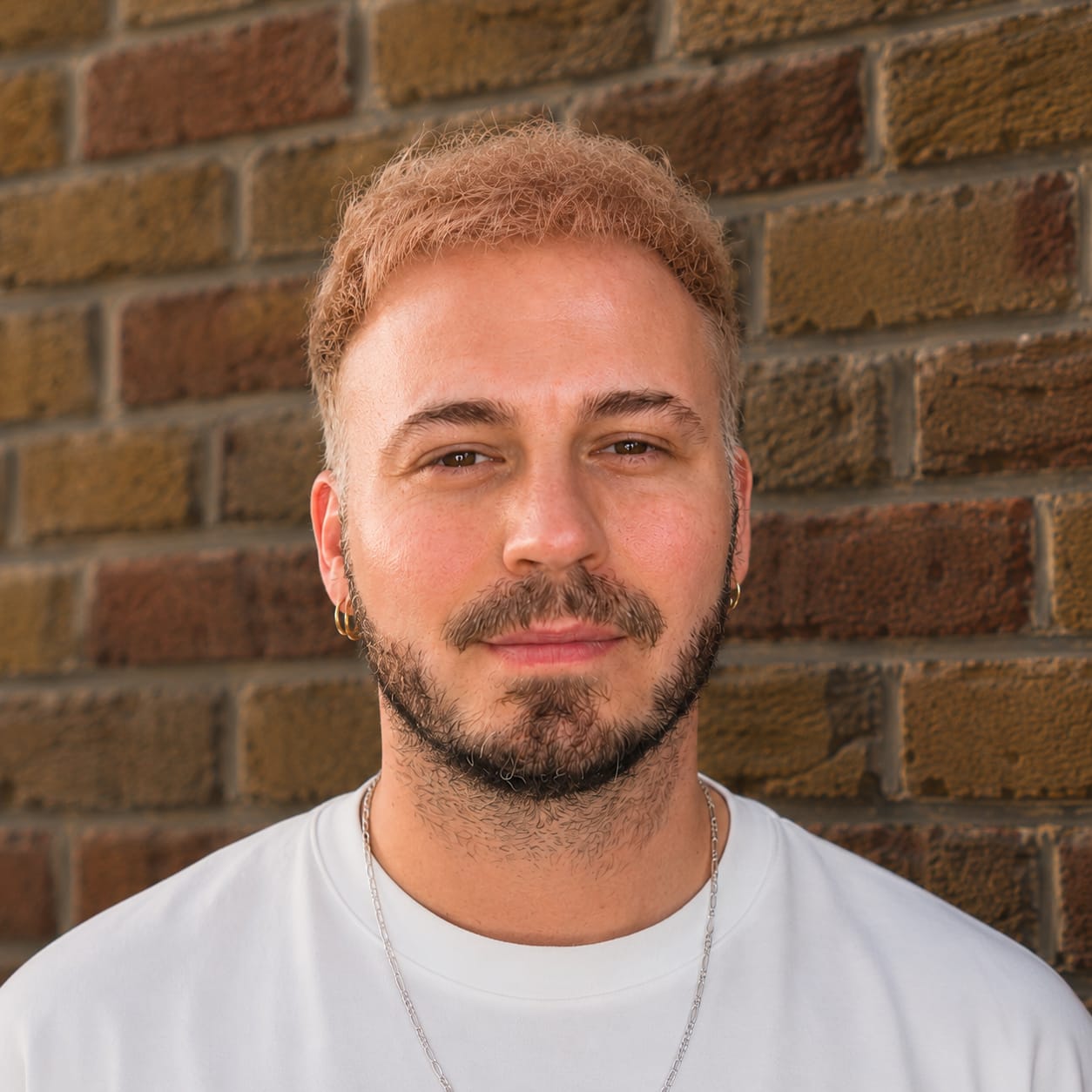
Written byJon Corke
Founder of Resolute Hair, a former emergency and critical care nurse, and a hair transplant patient twice. He organises the clinic, the written quote, the trip and the aftercare for patients from the UK and Ireland. The clinic's doctor makes every medical decision. More about Jon.
Sources
Independent clinical and professional sources consulted in writing this page. Links open in a new tab. Last checked 20 November 2026.
- Fight the FIGHT: public awareness campaign on fraudulent and illicit hair transplants, including the problems members see in repair patients. International Society of Hair Restoration Surgery. View source
- Hair transplant. NHS. View source
- Cosmetic surgery abroad. NHS. View source
- UK and Turkish medical associations unite to issue minimum guidelines for hair transplant surgery (BAHRS, BAAPS, BAPRAS and TSPRAS, December 2023). British Association of Aesthetic Plastic Surgeons. View source
This page is general information and one patient's experience. It isn't medical advice, and whether a repair is possible or sensible for you can only be judged by a qualified surgeon who has examined you. If you have signs of infection or feel unwell, see a doctor straight away.